Why EVs Look So Different From Gas Cars
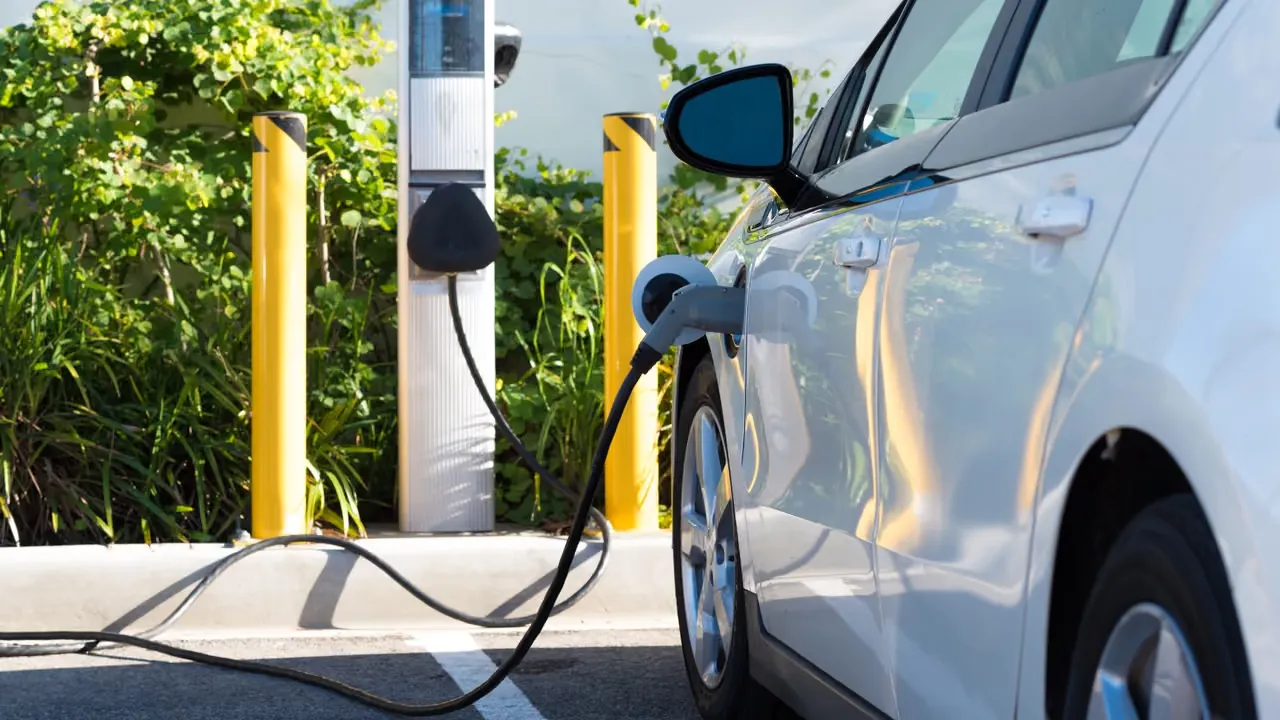
Walk past any new electric car today and you’ll notice something striking: these vehicles look different. But it’s not just the absence of a traditional engine under the hood or the lack of a tailpipe that sets them apart. Electric cars are reshaping automotive design in ways that ripple far beyond the powertrain, influencing everything from shape and materials to safety and the way we interact with the vehicle.
Reimagining aerodynamics for efficiency
Electric cars demand maximum efficiency, and that starts with how they slice through the air. Unlike gasoline engines, which generate heat that needs venting, electric motors run cooler and don’t require large front grilles. This fundamental difference frees designers to experiment with smoother, more streamlined shapes that reduce drag and extend battery range.
Take the Tesla Model 3 or the Lucid Air. They both feature sleek noses and tight body panels that almost seem to flow like water. Designers are now obsessing over every curve, contour, and gap. Even the undercarriage is optimized to be as flat as possible, minimizing turbulence beneath the vehicle. This level of aerodynamic refinement wasn’t as critical when fuel economy was measured in miles per gallon and the internal combustion engine dictated bulky cooling needs.
Furthermore, the placement of heavy battery packs low in the chassis allows for lower vehicle profiles and altered proportions. This rebalancing of mass encourages designers to rethink the classic sedan or SUV silhouette, often resulting in futuristic shapes that emphasize smoothness and flow over aggressive, muscular lines.
Innovations in interior layout and user interface
Electric vehicles are rewriting the rules of interior design. With no large engine and transmission tunnel to contend with, cabins become more spacious and flexible. The absence of a gearbox tunnel means a flat floor, which opens up legroom and allows for creative seating arrangements. Some models even offer rear seats that slide or recline more freely, turning the car into a more comfortable mobile lounge.
The dashboard is another canvas for innovation. Without the need for traditional gauges tied to engine RPM or fuel levels, designers and engineers can rethink how information is presented. Large digital displays, touchscreens, and heads-up displays are common, but the best designs integrate these elements in a way that feels intuitive rather than overwhelming.
Voice control and AI assistants are increasingly embedded to handle navigation, entertainment, and vehicle functions. This shift reflects a broader trend where the car becomes an extension of your digital life rather than just a mechanical device. Electric car interiors often focus on minimalism and calm, reducing physical buttons and clutter to create a serene driving environment.
Material choices influenced by electric powertrains
The shift to electric powertrains has also impacted the materials used in vehicle construction. Battery packs add significant weight, so automakers are turning toward lightweight materials like aluminum, carbon fiber, and advanced composites to offset this and improve efficiency.
Inside, the focus on sustainability is stronger than ever. Many electric cars incorporate recycled or renewable materials in their upholstery and trim. Vegan leather, recycled plastics, and natural fibers are becoming standard in EV interiors, attracting environmentally conscious consumers and reinforcing the cars’ eco-friendly ethos.
Additionally, the different heat management requirements of electric vehicles allow for new insulation materials and configurations. Since EVs don’t generate as much engine heat, cabin heating relies more on electric heaters or heat pumps, influencing how interiors are designed to maintain comfort without excessive energy use.
Impact on safety standards and crash design
Electric cars bring new challenges and opportunities to vehicle safety. The large battery packs require careful integration to prevent damage in collisions, which changes the way crumple zones and structural reinforcements are engineered.
Manufacturers must ensure that the battery remains intact and does not pose a fire risk in a crash. This has led to the development of specialized battery enclosures and reinforced frames that can absorb impact while protecting the cells. The positioning of heavy batteries low in the chassis also lowers the center of gravity, which improves stability and reduces rollover risk.
Moreover, the absence of a bulky engine at the front opens up space for enhanced pedestrian protection zones. Electric cars often feature softer front ends or deployable structures designed to reduce injury in the event of a collision with pedestrians.
Safety testing protocols are evolving to account for electric-specific risks, such as high-voltage system integrity and battery thermal runaway scenarios. These considerations are pushing designers and engineers to collaborate more closely than ever, blending aesthetics with rigorous safety demands.