Why EV Batteries Matter for Grid Health
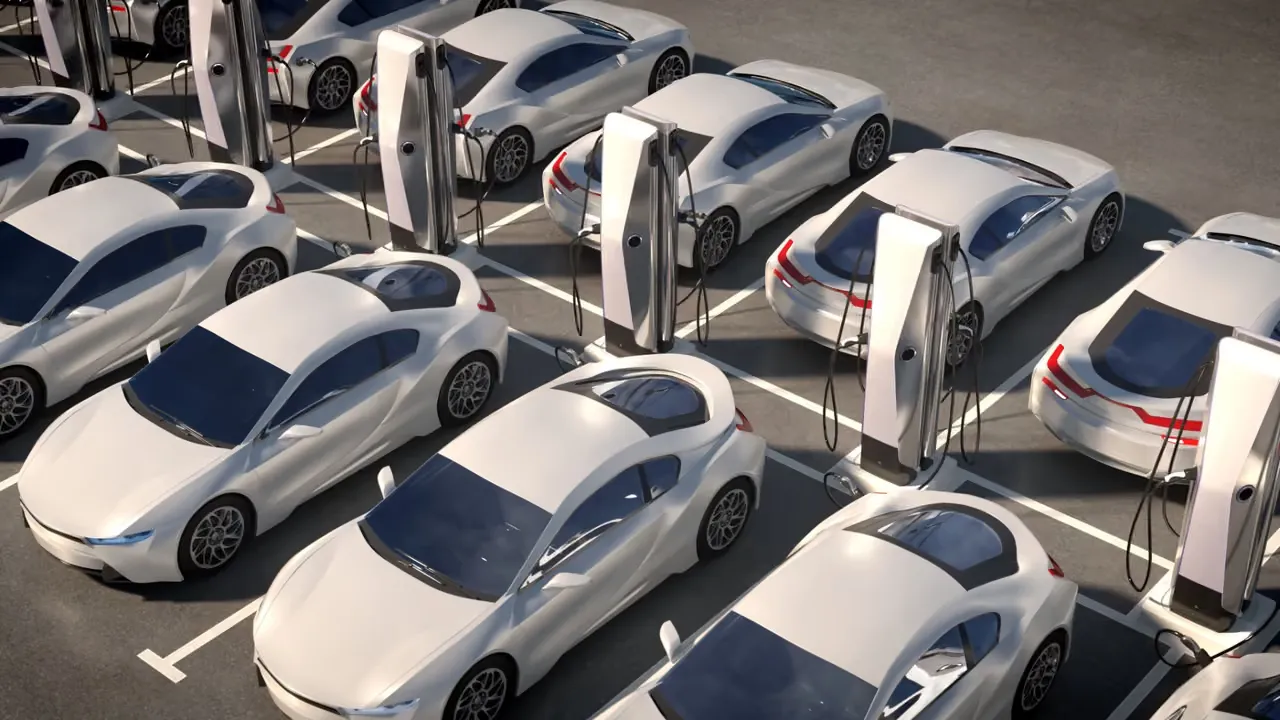
Electric cars are no longer just a novel alternative to gas guzzlers; they are becoming a critical piece in the puzzle of modern energy management. As more EVs hit the road, their potential to interact with the power grid transforms from a futuristic concept into an urgent opportunity. This integration promises not only cleaner transportation but smarter, more resilient energy systems.
How Electric Cars Can Support Grid Stability
The traditional power grid was designed for one-way energy flow: from power plants to consumers. Electric vehicles, with their large batteries, challenge this model by offering a mobile energy storage resource that, if tapped properly, can help balance electricity supply and demand. Instead of being mere consumers, EVs can act as dynamic assets that support grid stability.
When demand peaks—think hot summer afternoons when air conditioners are blasting—electric cars can draw less power or even feed energy back into the grid. Conversely, during times of excess renewable generation, such as midday solar surges, EVs can soak up surplus electricity through controlled charging. This flexibility helps prevent blackouts, reduces strain on power plants, and optimizes the use of renewable energy.
The Role of Vehicle-to-Grid (V2G) Technology
At the heart of this integration lies Vehicle-to-Grid (V2G) technology. V2G enables bidirectional energy flow between EVs and the power grid, turning individual vehicles into mini power plants. When parked and plugged in, EV batteries can discharge electricity to the grid during peak demand hours and recharge when demand is low or renewable output is high.
V2G offers several advantages:
- Grid services: EVs can provide frequency regulation, voltage support, and demand response, all critical for maintaining grid reliability.
- Economic incentives: EV owners can earn money or credits by selling stored energy back to utilities or participating in demand response programs.
- Renewable integration: By absorbing excess renewable energy, V2G helps smooth out the intermittency of solar and wind power.
Some pilot projects have already demonstrated V2G’s potential. For example, in Denmark and Japan, EV fleets have been used to stabilize the grid and reduce reliance on fossil fuel peaker plants. However, broad adoption still faces hurdles.
Challenges in Integrating EVs with Smart Grids
While the concept of EVs as grid assets is appealing, several challenges complicate their integration with smart grids:
- Infrastructure limitations: Most existing charging infrastructure is unidirectional, designed only to pull electricity from the grid. Enabling V2G requires new hardware standards and widespread installation of bidirectional chargers.
- Battery degradation concerns: Frequent charging and discharging cycles for grid services can accelerate battery wear, potentially reducing the lifespan of expensive EV batteries. This concern makes some owners hesitant to participate.
- Regulatory and market barriers: Energy markets and regulations are often not set up to allow small-scale, distributed energy resources like EVs to participate fully in grid services. Policies and compensation mechanisms vary widely by region.
- Communication and control complexity: Coordinating thousands or millions of EVs to respond dynamically to grid needs requires sophisticated communication networks and algorithms. Ensuring cybersecurity and user privacy adds another layer of complexity.
Despite these obstacles, progress is underway. Advances in smart charging protocols, battery management systems, and regulatory frameworks are slowly paving the way for deeper integration.
Future Prospects for Smart EV Charging
Smart charging is the stepping stone toward fully realizing EVs’ potential in energy systems. Unlike conventional chargers that operate on a simple plug-and-charge basis, smart chargers can modulate charging rates based on grid conditions, electricity prices, and user preferences.
Emerging trends in smart charging include:
- Time-of-use optimization: Charging schedules that shift electricity consumption to off-peak hours, saving money and easing grid stress.
- Integration with home energy management: EV chargers that communicate with rooftop solar panels, home batteries, and smart appliances to optimize overall energy usage.
- AI-driven demand response: Artificial intelligence algorithms that predict grid needs and adjust charging in real time, maximizing benefits for grid operators and EV owners alike.
- Wireless and bidirectional charging: The development of wireless charging pads and bidirectional power flow will make EV-grid interaction seamless and more user-friendly.
Automakers and utility companies are increasingly partnering to develop ecosystems where EVs act as flexible energy hubs. In some cities, pilot programs already reward drivers for allowing their cars to participate in grid balancing. As battery costs fall and charging infrastructure expands, these smart capabilities will become standard rather than exceptional.