Why Clean Power Makes Electric Cars Greener
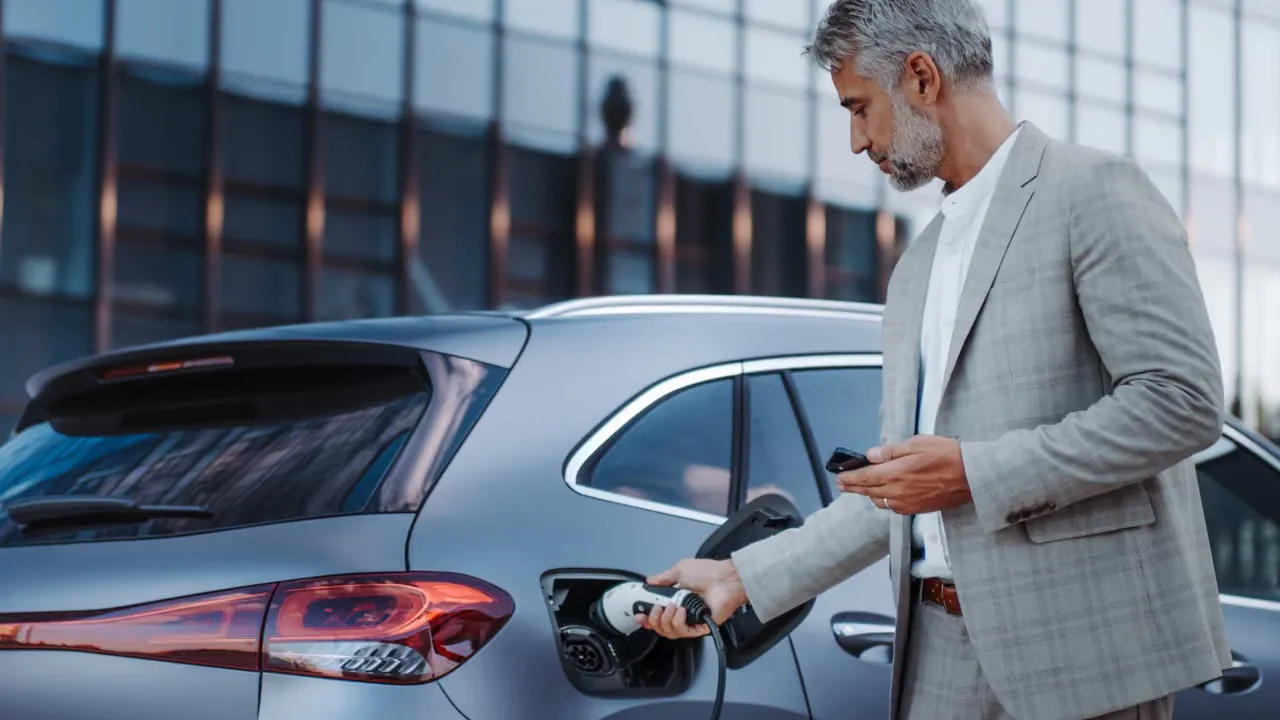
Electric cars get a lot of praise for having zero tailpipe emissions. But the environmental story doesn’t stop there. To really understand their impact, we have to look beyond what comes out of the exhaust—or in this case, what doesn’t—and examine the entire lifecycle of these vehicles.
Lifecycle Emissions From Battery Production to Recycling
The environmental footprint of an electric car starts long before it hits the road. Making lithium-ion batteries, which power most electric vehicles (EVs), uses a lot of energy and creates significant emissions. Mining raw materials like lithium, cobalt, and nickel often happens in places where the process is heavy on carbon emissions.
Producing a battery can release two to three times more greenhouse gases than making a conventional car engine. But over the life of the vehicle, these early emissions usually get balanced out by the lower emissions during driving. How much depends a lot on how the electricity used to charge the car is made.
What happens to the battery at the end of its life matters too. Recycling lithium-ion batteries can recover valuable materials and cut down the need for new mining. Sadly, recycling rates are still low because of technical and economic challenges. Building better recycling systems and improving the technology behind it is key to shrinking the overall environmental footprint of electric vehicles.
Battery production also involves other environmental costs. For example, the chemicals used in manufacturing can be toxic if not handled properly. Factories need strict controls to prevent pollution and protect workers. The energy source for these factories also matters. If they run on coal power, the carbon footprint grows even more.
The Role of Renewable Energy in Charging Electric Vehicles
Charging an EV with electricity from coal-fired power plants wipes out much of the environmental benefit. On the other hand, when EVs run on renewable energy like wind, solar, or hydroelectric power, their green advantage grows a lot.
Many regions are working to clean up their power grids, but progress is uneven. In places with a clean grid, electric cars are already much greener than gasoline vehicles. In others, the benefit shrinks or even disappears.
Homeowners and businesses who install solar panels to charge their EVs create a win-win. This setup avoids the grid’s carbon intensity and cuts total emissions from driving. Smart charging technology, which times EV charging to match periods of high renewable energy output, is another promising step. It helps use clean energy when it’s most available and reduces strain on the grid.
Public charging stations powered by renewables are also growing. Cities and companies are investing in solar-powered fast chargers, which can fill up batteries quickly without adding to fossil fuel use. This shift makes EVs more practical and greener at the same time.
Addressing Resource Extraction Concerns for Battery Materials
Mining for battery materials brings serious environmental and ethical problems. Beyond carbon emissions, mining can destroy ecosystems, pollute water, and harm local communities.
Lithium extraction often drains huge amounts of groundwater in dry areas, threatening plants, animals, and farming. Cobalt mining has been tied to child labor and unsafe working conditions, especially in the Democratic Republic of Congo, which supplies much of the world’s cobalt.
These issues have led to calls for more responsible sourcing and better supply chain transparency. Some manufacturers are building direct relationships with mines to enforce higher labor and environmental standards. Others are working on batteries that use less or no cobalt, or exploring new materials altogether.
Efforts to improve mining practices include better water management, reducing land disruption, and investing in local communities. Certification programs aim to verify that materials come from ethical sources. Still, the demand for these metals keeps growing, making it urgent to find alternatives and improve recycling.
Future Innovations to Minimize Environmental Footprint
Electric vehicles today are just the start. New technologies could cut their environmental impact even more.
- Solid-state batteries promise higher energy density, faster charging, and longer lifespans. They may also rely less on problematic materials like cobalt and nickel.
- Second-life batteries give used EV batteries a new purpose. After they no longer work well for cars, they can store energy in homes or on the grid, extending their usefulness and delaying recycling or disposal.
- Improved recycling techniques use new chemical and mechanical methods to boost recovery rates. These advances reduce the environmental harm tied to battery waste and lower the need for fresh mining.
- Alternative materials are under study. Batteries using sodium, aluminum, or other abundant and less harmful elements could replace current designs in the future.
On the infrastructure side, expanding fast-charging networks powered by renewables is crucial. Integrating EVs with smart grid systems can optimize energy use and cut emissions further. For example, cars could feed electricity back to the grid during peak demand, helping balance supply and demand.
Manufacturers and governments are also exploring ways to make battery production cleaner. Using renewable energy in factories and improving supply chain transparency can shrink the carbon footprint from the start.