The Real Cost of Owning an EV
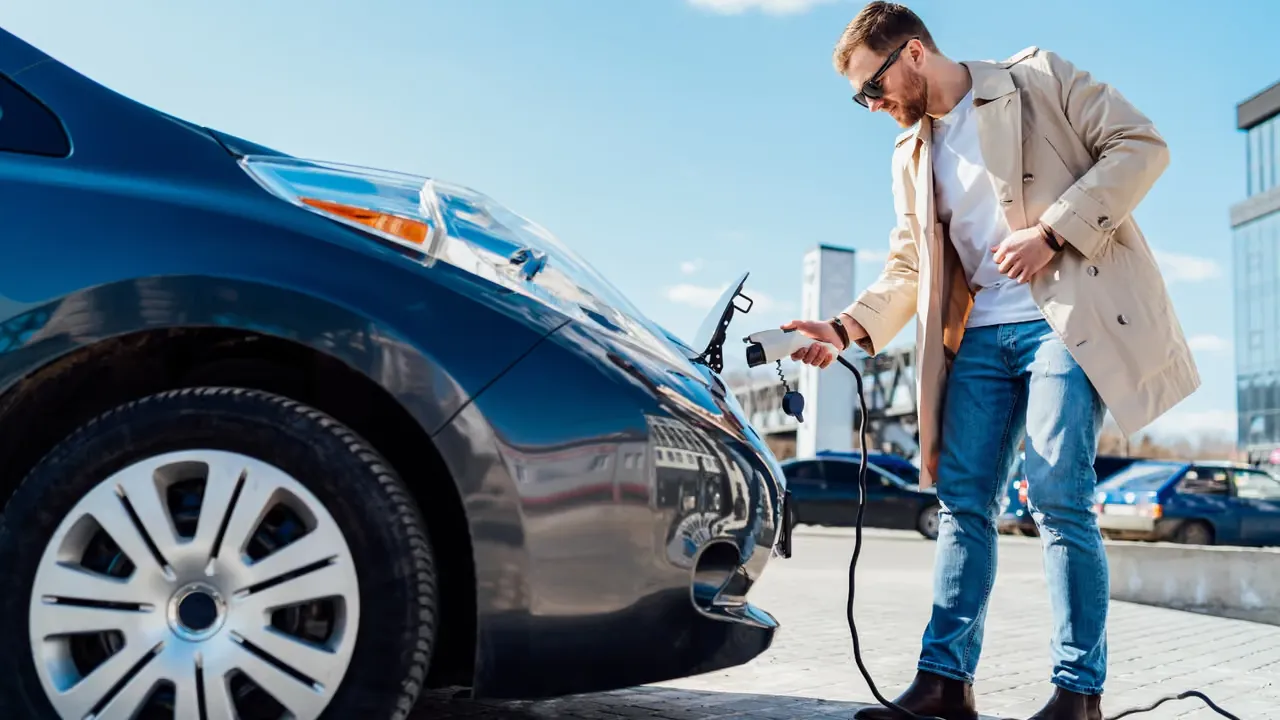
Electric cars are often dismissed as expensive gadgets with limited appeal, but their long-term economic benefits go far beyond just saving money at the gas pump. When you look past the sticker price and factor in maintenance, resale value, and government incentives, the financial picture changes dramatically. It’s time to reconsider what owning an electric vehicle (EV) really means for your wallet over the years.
Initial Purchase Price vs Total Cost of Ownership
It’s true that electric cars generally come with a higher upfront cost compared to traditional gasoline vehicles. This sticker shock can be a major deterrent for many buyers. However, focusing solely on the initial purchase price misses the bigger picture. Total cost of ownership (TCO) is a more meaningful metric, encompassing all expenses incurred over the life of the vehicle.
TCO includes not just the initial price, but also fuel, maintenance, insurance, taxes, and depreciation. Studies consistently show that, despite higher purchase prices, electric cars often end up cheaper when viewed through this lens. The lower running costs of EVs—thanks to cheaper electricity versus gasoline and reduced maintenance needs—tend to offset the initial premium within a few years.
Breaking Down the Numbers
- Energy costs: Electricity costs significantly less per mile than gasoline. In many regions, charging an EV can cut fueling expenses by 50% or more.
- Depreciation: While early EV models depreciated quickly, newer models hold value better, narrowing the gap with combustion engine cars.
- Insurance and taxes: These can vary, but some jurisdictions offer lower registration fees for EVs, improving affordability.
Maintenance Costs Gasoline vs Electric
Electric vehicles have far fewer moving parts than internal combustion engine (ICE) vehicles. This simplicity translates directly into lower maintenance costs—a factor often overlooked when comparing cars.
Gasoline cars require regular oil changes, transmission service, timing belt replacements, and exhaust system repairs. EVs eliminate these needs entirely. Their electric motors are simpler and more reliable, and regenerative braking reduces wear on brake pads, extending their lifespan.
According to multiple industry analyses, EV owners can expect to pay roughly 30-50% less on maintenance over the life of the vehicle. This can amount to thousands of dollars saved, especially if you keep the car for several years.
Common Maintenance Savings
- No oil changes or transmission fluid replacements
- Reduced brake wear due to regenerative braking
- Fewer moving parts mean fewer breakdowns and repairs
- Battery warranties often cover major components for 8-10 years
Resale Value Trends in Electric Vehicles
Resale value has long been a question mark with electric cars. Early models were plagued by battery degradation concerns, limited range, and rapidly evolving technology, which depressed used EV prices. But the market is evolving fast.
Today’s electric cars benefit from improved battery technology and expanding charging infrastructure. These factors boost consumer confidence and help stabilize resale values. Some popular models like the Tesla Model 3 and Nissan Leaf have shown surprisingly strong resale performance compared to their gasoline counterparts.
Moreover, as governments tighten emissions regulations and cities impose restrictions on combustion engines, demand for used EVs is rising. This trend is likely to improve resale values further, making electric cars a smarter investment over time.
Government Incentives and Their Impact on Affordability
One of the most significant factors lowering the economic barrier to owning an electric car is government incentives. Many countries and states offer tax credits, rebates, and other financial perks to encourage EV adoption.
These incentives can shave thousands off the effective purchase price. For example, the United States federal tax credit can reduce the cost by up to $7,500 for eligible vehicles. Some states add additional rebates or perks like reduced registration fees, access to carpool lanes, and discounted charging rates.
Beyond direct financial benefits, incentives also accelerate the development of charging infrastructure and encourage manufacturers to invest in EV technology, ultimately expanding choices and bringing prices down further.
- Federal and state tax credits: Reduce upfront costs significantly
- Rebates on home charging station installation: Lower the cost of convenient charging at home
- Reduced or free tolls and parking: Ongoing savings in daily commuting
- HOV lane access: Saves time and increases convenience