The New Era of Car Sharing and Subscriptions
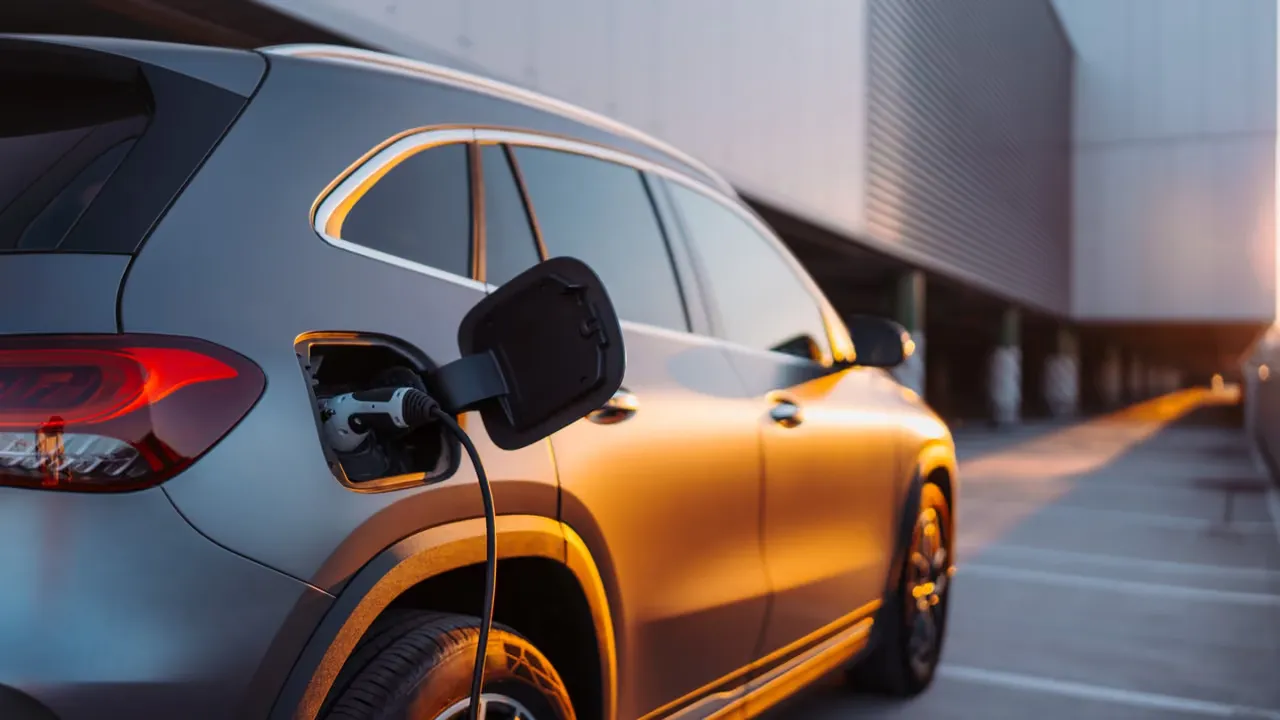
It’s hard to miss how electric cars have quietly shifted from niche curiosities to mainstream contenders. Yet, their influence goes well beyond the obvious environmental perks. Electric vehicles (EVs) are reshaping how people think about driving, owning, and even using cars in ways that ripple through everyday life and consumer behavior.
Shifting Consumer Priorities From Performance to Sustainability
For decades, car buyers prioritized horsepower, speed, and style. The thrill of the engine’s roar was a core part of the driving experience. Today, many consumers are placing a premium on sustainability and technology instead. Electric cars have flipped the script.
In the early days, EVs were criticized for lackluster performance and limited range, but that’s no longer the case. Modern electric cars deliver instant torque, smooth acceleration, and quiet rides that appeal to a broader audience. Still, what stands out is not just their technical specs but what they represent: a conscious choice to reduce carbon footprints and embrace cleaner energy.
Buyers are increasingly evaluating vehicles based on how they fit into a sustainable lifestyle, rather than just raw power or brand prestige. This shift is nudging automakers to innovate on battery life, charging infrastructure, and vehicle efficiency, creating a virtuous cycle that further attracts eco-conscious consumers.
The Rise of Subscription and Sharing Models Enabled by EVs
Electric cars have catalyzed new ownership and usage models, especially in urban areas where space is tight and mobility needs are evolving. Subscription services and car-sharing platforms are booming, and EVs are at the heart of this trend.
Unlike traditional gas-powered vehicles, EVs are cheaper to maintain and operate. This cost-effectiveness makes it feasible for companies to offer flexible access to vehicles without the burden of long-term ownership. People can subscribe to a fleet of EVs, switching models depending on their needs—from compact city cars during the week to larger SUVs for weekend trips.
Car-sharing services equipped with EVs are also changing how people think about personal transportation. Instead of the responsibility and costs associated with owning a car, users gain convenience, environmental benefits, and access to the latest electric models without a commitment. This shift encourages more casual use and reduces the total number of vehicles needed per capita in dense areas.
Impact of EVs on Commuting Patterns and Urban Mobility
Electric cars are silently influencing daily commuting and urban transport in subtle yet significant ways. The growing network of charging stations, including fast chargers, is enabling longer trips and more flexible routes.
Moreover, the quiet operation of EVs makes them friendlier to urban environments, reducing noise pollution. This has prompted some cities to rethink traffic flow, parking, and even zoning laws to accommodate the changing nature of mobility.
Another aspect is the integration of EVs with other forms of transport. Many commuters use electric vehicles as part of a multimodal journey—driving to a transit hub, then switching to bike-sharing or public transport. This interconnected approach reduces reliance on cars for entire trips and promotes a healthier, more efficient urban mobility ecosystem.
Future Trends How Electric Cars Are Steering Lifestyle Changes
Electric vehicles are more than just a green alternative; they are subtly steering broader lifestyle shifts. The integration of smart technology in EVs—such as autonomous driving features, over-the-air updates, and sophisticated infotainment systems—blurs the line between cars and digital living spaces.
As people spend more time in their vehicles, the expectation for comfort and connectivity rises. Cars become extensions of home and office, influencing when and how we work, socialize, and entertain ourselves. This trend could reshape daily routines and even affect urban planning, as the need for traditional office commutes diminishes.
Additionally, the rise of home charging stations encourages changes in home energy usage and infrastructure. Consumers increasingly consider solar panels, battery storage, and smart home integration as part of an electric lifestyle. This holistic approach to energy consumption redefines not only transportation but also residential habits.
Looking ahead, the continued development of battery technology and charging speed will further unlock new possibilities. From electric road trips to shared autonomous EV fleets, the personal transportation landscape will keep evolving, driven by consumer choices shaped by more than just environmental concerns.