Future of Energy with Electric Vehicles
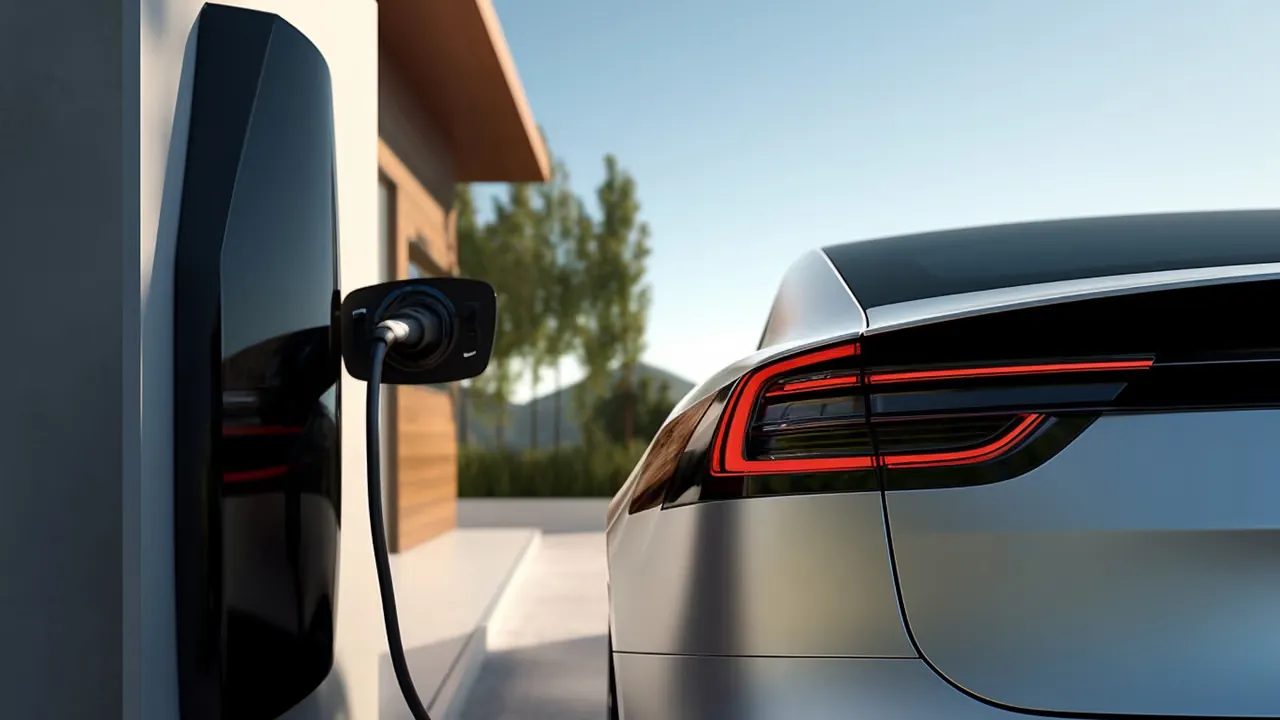
Can your electric vehicle do more than just drive you around? What if it could also help power your home or even stabilize the entire electricity grid? This is the promise of vehicle-to-grid (V2G) technology, a concept gaining momentum as electric vehicles (EVs) become more common. But how close are we to making V2G a practical reality, and what hurdles stand in the way?
What is Vehicle-to-Grid (V2G) Technology?
Vehicle-to-grid technology allows electric vehicles to communicate with the power grid and feed electricity back into it when needed. Unlike traditional EV charging, where power flows one way—from the grid to the car—V2G enables a two-way flow. This means your EV’s battery can act as a mini power plant, supplying energy during peak demand periods or emergencies.
At its core, V2G relies on smart charging stations and sophisticated communication systems that coordinate when and how much energy is drawn from or sent to the grid. The vehicle’s battery becomes a distributed energy resource, capable of balancing supply and demand dynamically.
Benefits of V2G for Grid Management and EV Owners
- Grid Stability and Peak Shaving: Electricity demand fluctuates throughout the day, often peaking in the early evening when many people return home. V2G can supply power from parked EVs during these peaks, easing strain on power plants and reducing the need for expensive and polluting peaker plants.
- Renewable Energy Integration: Solar and wind power are intermittent by nature. V2G systems can store excess renewable energy during sunny or windy periods and return it to the grid when generation dips, smoothing out fluctuations and making renewables more viable.
- Economic Incentives for EV Owners: By participating in V2G programs, EV owners can potentially earn money or receive credits for sharing their battery power. This might offset charging costs or even provide a new income stream, turning EVs into assets rather than just expenses.
- Emergency Power Supply: In power outages, V2G-enabled EVs could serve as backup power sources for homes or critical infrastructure, enhancing resilience and safety.
Technical and Regulatory Challenges of V2G Implementation
Despite its promise, V2G faces several significant obstacles that slow its widespread adoption.
Battery Degradation Concerns
Frequent cycling of EV batteries for grid services may accelerate battery wear, shortening the lifespan of an expensive component. While some studies suggest the impact may be minimal if managed correctly, convincing EV owners to participate requires clear evidence and perhaps compensation for added battery degradation.
Complexity of Infrastructure
Deploying V2G at scale demands smart chargers capable of two-way power flow, standardized communication protocols, and robust cybersecurity measures. Current charging infrastructure often lacks these features, and upgrading or replacing it involves considerable investment.
Regulatory and Market Barriers
Energy markets and regulations vary widely by region, many of which were not designed with distributed energy resources like V2G in mind. Issues include:
- Unclear rules on how EV owners can sell energy back to the grid
- Pricing mechanisms that don’t incentivize or fairly compensate V2G participation
- Licensing and safety standards for bidirectional charging equipment
Without regulatory reform and market innovation, V2G cannot realize its full potential.
User Behavior and Awareness
V2G requires EV owners to be flexible about when their vehicles are charged or discharged. Many people want their cars fully charged and ready at all times, limiting the availability of batteries for grid services. Education and user-friendly controls are needed to align incentives and convenience.
Future Prospects and Innovations in V2G Charging
Despite challenges, the future of V2G looks promising, with ongoing research and pilot programs worldwide.
Advances in Battery Technology
New battery chemistries and management systems aim to increase durability and reduce degradation from cycling. Solid-state batteries and improved battery management algorithms could make V2G less taxing on EV batteries.
Integration with Smart Grids and Home Energy Systems
V2G is increasingly viewed as part of a larger ecosystem involving smart homes, renewable energy sources, and energy storage. For example, an EV could store solar energy generated during the day and supply it to the home or grid in the evening, maximizing self-consumption and cost savings.
Policy and Market Evolution
Governments and utilities are beginning to recognize the value of V2G and are crafting incentives and pilot programs. Europe and Japan have been early movers, while the U.S. is catching up with state-level initiatives. Market platforms that facilitate energy trading between EV owners and grid operators are emerging, laying the groundwork for broader adoption.
Vehicle and Charger Innovation
Automakers and charger manufacturers are developing V2G-capable models and bidirectional chargers. Some EVs already on the market support limited V2G functions, and charging infrastructure is evolving rapidly to support two-way power flow and seamless user experience.
Ultimately, V2G technology could redefine how we think about electric vehicles—not just as modes of transport, but as active participants in our energy systems. While the road to widespread V2G adoption is bumpy, its potential to transform grid management and empower EV owners keeps it firmly in the spotlight.