Fast Charging EVs What You Need to Know
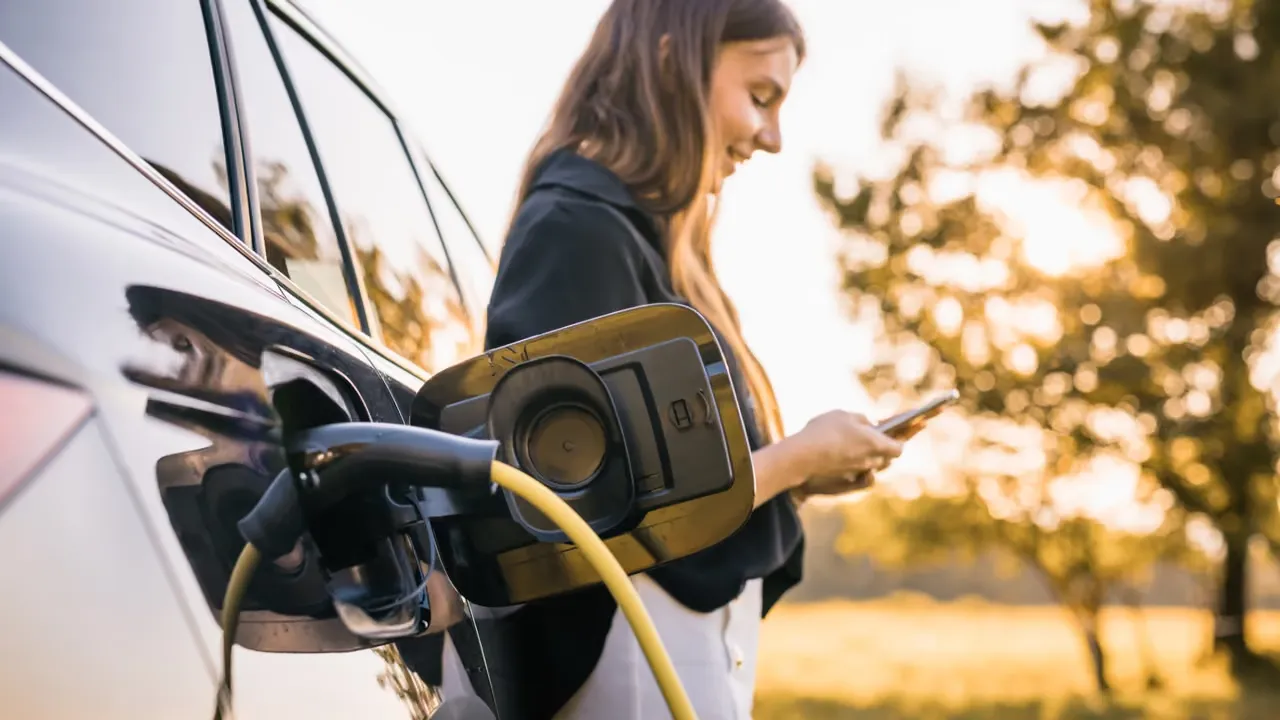
How quickly can you top up your electric vehicle and get back on the road? Fast charging technologies are transforming the way EV drivers experience fueling their cars, slashing wait times and expanding where you can plug in. But not all fast chargers are created equal, and the infrastructure to support them is evolving rapidly.
Overview of Fast Charging Technologies
Fast charging is the game changer for electric vehicles. It significantly reduces the time needed to recharge, making EVs more practical for long trips and busy schedules. Three major fast charging standards dominate the market: CCS, CHAdeMO, and Tesla Superchargers.
CCS (Combined Charging System)
CCS has emerged as the leading fast charging standard in Europe and North America, combining AC and DC charging in a single plug. It supports power levels ranging from 50 kW up to 350 kW, enabling rapid replenishment of battery packs in as little as 20-30 minutes for most EVs. CCS is supported by most newer EV models, making it the most universal choice on public charging networks.
CHAdeMO
Originating from Japan, CHAdeMO was an early player in DC fast charging and still serves many EVs, especially older Nissan Leafs and some Asian models. While it typically offers charging speeds up to 50 kW, newer versions can push beyond 100 kW. However, CHAdeMO’s adoption has slowed in favor of CCS, and infrastructure growth for CHAdeMO is less aggressive.
Tesla Superchargers
Tesla’s proprietary Supercharger network is known for its high power output and seamless integration with Tesla vehicles. Early Superchargers delivered up to 120 kW, but the latest V3 Superchargers can provide 250 kW, drastically cutting charging times. Tesla’s closed ecosystem offers a consistent user experience but limits access to Tesla owners, though the company has started opening some stations to other brands in select locations.
Benefits and Challenges of Fast Charging for EV Owners
Fast charging undeniably improves convenience for EV drivers, but it comes with trade-offs.
- Speed and Convenience: The most obvious benefit is the vast reduction in time spent charging. Instead of hours, many drivers can recharge enough for hundreds of miles within half an hour or less.
- Range Anxiety Reduction: Fast charging stations placed strategically along highways and urban centers ease concerns about running out of battery on longer trips.
- Battery Health Concerns: Frequent use of high-power fast charging can accelerate battery degradation. Manufacturers often recommend limiting fast charging to occasional use to prolong battery life.
- Cost: Fast charging usually comes at a premium compared to slower home or workplace charging, sometimes significantly increasing the cost per kWh.
- Availability and Compatibility: Not all EVs support the highest charging speeds of existing fast chargers, and uneven infrastructure means access can vary widely depending on location.
Infrastructure Development Shaping Public and Commercial Charging Stations
The rise of fast charging is reshaping the landscape of EV infrastructure. Public and commercial charging stations are evolving beyond the basic plug-in model.
High-power charging hubs are becoming more common, often located near highways, shopping centers, and workplaces. These hubs feature multiple fast chargers, sometimes exceeding 300 kW, allowing several vehicles to charge simultaneously without bottlenecks. The demand for these sites is driving investments from governments and private companies alike.
Commercial operators are also integrating fast chargers into fleets and logistics operations, where downtime equates directly to lost productivity. Fast charging enables commercial vehicles to recharge during short breaks, keeping goods moving efficiently.
However, installing fast chargers requires significant electrical infrastructure upgrades, including transformers and grid connections capable of handling high loads. This complexity and cost slow deployment in some regions and necessitate careful planning with utility providers.
Future Trends in Fast Charging Technologies
The fast charging landscape is far from static. Innovations on the horizon promise to accelerate charging speeds and improve convenience even further.
Ultra-Fast Charging
Charging stations capable of delivering 350 kW and beyond are already in limited deployment, with some networks experimenting with 400 kW or higher. These ultra-fast chargers could reduce charging times to 10-15 minutes for a substantial battery top-up, rivaling the time it takes to fill a gasoline tank. However, ultra-fast charging demands advanced battery technology capable of safely handling such rapid energy influx.
Wireless Charging
Inductive or wireless charging technology is gaining traction for its potential to make charging effortless. Instead of plugging in, drivers park over a charging pad embedded in the ground. This method is slower than wired fast charging currently but developments are underway to boost power levels. Wireless charging could revolutionize urban and residential charging by simplifying the process and enabling dynamic charging while driving in the future.
As battery technology, grid infrastructure, and fast charging protocols evolve, the electric vehicle experience will continue to improve. The race to shorten charging times while expanding access is reshaping both where and how we power our cars, pushing EVs closer to true parity with gasoline vehicles in convenience and usability.