Electric Vehicles Are Not Emission Free
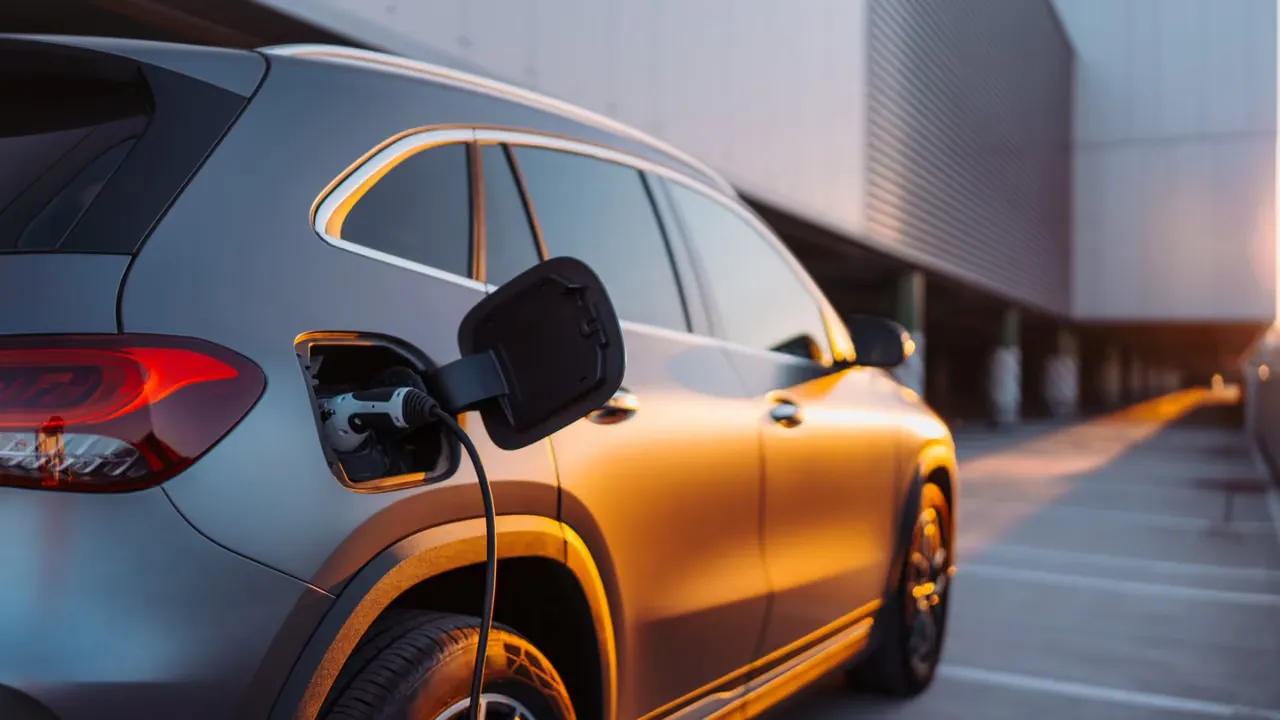
Are electric cars truly the green solution they’re often made out to be, or is their environmental impact more complicated than just driving on clean energy?
Manufacturing Footprint Battery Production and Resource Extraction
When discussing electric vehicles (EVs), the conversation often starts and ends with their zero tailpipe emissions. However, the environmental costs begin long before you press the accelerator. The manufacturing phase, especially battery production, carries a heavy footprint.
The lithium-ion batteries powering most electric cars rely on critical materials like lithium, cobalt, and nickel. Extracting these metals involves mining operations that are energy-intensive and often linked to environmental damage and human rights abuses. For example, cobalt mining in parts of the Democratic Republic of Congo has raised serious ethical concerns.
These mining activities often lead to deforestation, water pollution, and large carbon emissions. Producing just one EV battery can emit several tons of CO2, sometimes wiping out the emissions saved during the vehicle’s use phase for years.
Refining and processing these raw materials also require a lot of energy, often coming from fossil fuels in countries with weaker environmental rules. The supply chain is complex, making it hard to fully measure and reduce these impacts. Still, the initial environmental cost of EV production is far from small.
Use Phase Emissions Compared to Conventional Vehicles
Once the car is built, its environmental impact changes. Unlike internal combustion engine vehicles (ICEVs), EVs produce no direct tailpipe emissions. But the overall emissions during use depend heavily on the electricity used for charging.
In places where electricity comes mostly from coal or natural gas, the benefits of driving an EV shrink. Even then, EVs usually beat conventional vehicles in greenhouse gas emissions over their lifetime because they use energy more efficiently. In areas with cleaner power grids, running an EV is much greener.
Beyond carbon emissions, electric cars cut local air pollutants like nitrogen oxides and fine particles. This helps improve urban air quality and public health, which is crucial in cities battling smog and respiratory problems.
Still, EVs need electricity, and the environmental cost of making that electricity varies a lot worldwide. Until grids fully switch to renewable energy, the emissions from using EVs will remain mixed.
End-of-Life Battery Recycling and Disposal Challenges
The life of an EV doesn’t end when it’s taken off the road. Batteries lose capacity over time and eventually need replacement or disposal. This stage brings new environmental problems.
Battery recycling technology is still developing and not widely used. Many batteries end up in landfills or are stored for long periods, raising worries about toxic leaks and heavy metal pollution. Components like lithium and cobalt are valuable but hard to recover efficiently.
Recycling can cut the need for new mining and lower EVs’ overall footprint. But the process uses a lot of energy and costs a lot, and the recycling infrastructure is behind the pace of EV adoption.
Second-life uses offer a partial fix. Used EV batteries can be repurposed for stationary energy storage, extending their value before recycling is needed. This helps use resources better but doesn’t remove the need for good recycling methods.
Future Innovations to Reduce Environmental Impact
The electric car industry is working to cut its environmental footprint beyond just zero tailpipe emissions.
- Battery Chemistry Advances Researchers are making batteries with less or no cobalt, using more common and less harmful materials. Solid-state batteries promise higher energy density and easier recycling.
- Improved Mining Practices Efforts to create more ethical and eco-friendly supply chains are underway. Transparent sourcing and stronger rules could reduce extraction harms.
- Renewable Energy Integration Pairing EV use with cleaner grids boosts environmental gains. Incentives for home solar panels alongside EVs can cut use-phase emissions even more.
- Enhanced Recycling Technologies New methods like direct recycling aim to recover battery materials more efficiently and with less energy than old techniques. Scaling these is key to handling end-of-life impacts.
- Design for Sustainability Automakers are starting to design cars and batteries for easier dismantling and recycling, which could cut waste and simplify disposal.
Electric cars are a clear step forward in cutting transport emissions, but their full lifecycle tells a more complex story. Knowing these details matters as we push for cleaner ways to get around that don’t just move the problem elsewhere.