Electric Cars Redefine Auto Manufacturing
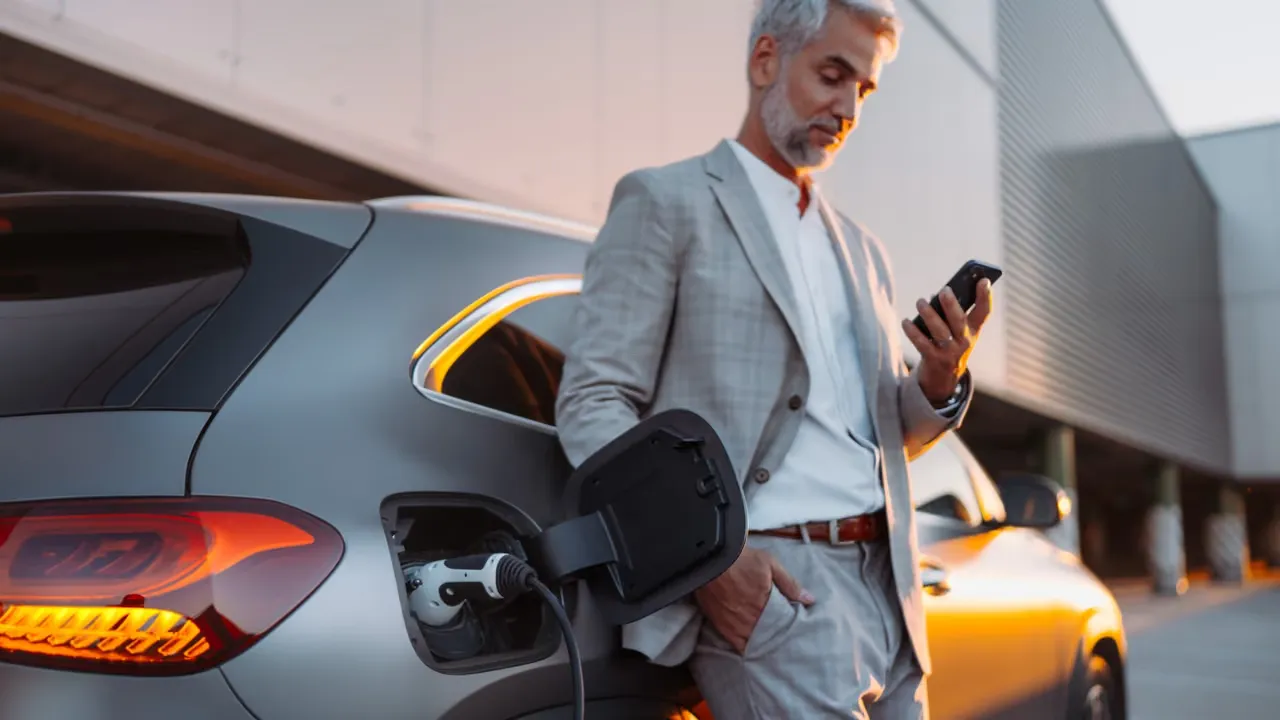
Electric cars are no longer a niche innovation but a powerful force upending the very foundations of automotive manufacturing and supply chains. The shift away from internal combustion engines toward electric drivetrains is forcing car makers, suppliers, and labor markets to reinvent themselves at a breakneck pace.
From Pistons to Rotors The Changing Heart of the Car
Traditional vehicles rely on complex engines with hundreds of moving parts, each requiring specialized manufacturing processes and extensive supply networks. Electric vehicles (EVs) simplify the drivetrain drastically. Instead of intricate engine assemblies, manufacturers now focus on electric motors, battery packs, and power electronics.
This transition demands a fundamental overhaul of production lines. Factories designed for stamping engine blocks and assembling transmissions must evolve or give way to new facilities optimized for battery module assembly and electric motor winding. Automakers are investing heavily in retooling plants and retraining workers to handle these novel components.
The result is a leaner, more modular manufacturing process. Electric motors have fewer parts, which can reduce assembly complexity and increase reliability. However, this also means suppliers specializing in engine parts face shrinking demand, while those capable of producing high-precision electric components gain prominence.
Rare Materials A Double-Edged Sword for EV Batteries
The heart of an electric car is its battery, which relies on a cocktail of rare earth elements and metals like lithium, cobalt, nickel, and manganese. Securing these materials is one of the biggest challenges facing the industry.
- Supply chain vulnerability: Many of these minerals are concentrated in politically unstable or environmentally sensitive regions, creating risks of supply disruptions.
- Environmental concerns: Mining and processing these materials have significant ecological footprints, prompting calls for more sustainable practices.
- Recycling and alternatives: To lessen dependence on virgin materials, manufacturers and researchers are investing in battery recycling technologies and exploring alternative chemistries that reduce or eliminate scarce elements.
These factors force automotive supply chains to become more transparent and resilient. Automakers are forging direct relationships with mining companies, investing in battery production startups, and even acquiring raw material sources to secure their supply lines.
Labor Market Shifts New Skills for a New Era
The rise of electric cars is reshaping the workforce inside the automotive industry. Traditional engine assembly line roles are shrinking, while demand grows for workers skilled in electronics, software, and battery assembly.
This transition is not seamless. Many regions relying on internal combustion engine manufacturing face job losses, creating economic and social challenges. Conversely, new opportunities are emerging in EV-focused plants, including:
- Battery pack assembly technicians
- Electric motor manufacturing specialists
- Software developers for vehicle control systems
- Quality control engineers focused on new materials
Automakers and governments are increasingly investing in retraining programs to help workers pivot. This shift also highlights the growing importance of STEM education aligned with EV technologies to prepare the next generation for a fundamentally different automotive landscape.
New Partnerships and Innovation Ecosystems
Electric vehicle manufacturing is catalyzing a wave of new collaborations. Legacy automakers no longer go it alone; instead, they partner with tech firms, battery manufacturers, and startups to accelerate innovation.
These ecosystems foster rapid development in areas such as battery chemistry improvements, vehicle software platforms, and charging infrastructure. Joint ventures and cross-industry alliances are becoming the norm, blending traditional automotive expertise with Silicon Valley agility.
Moreover, governments and research institutions are playing vital roles, often providing funding and regulatory support to encourage clean transportation technologies. This collaborative environment is helping to overcome technical and economic barriers faster than any single company could manage on its own.
In summary, electric cars are not just changing what’s under the hood—they’re transforming entire manufacturing paradigms, supply chains, labor markets, and innovation cultures. The automotive world is evolving into a more interconnected, technology-driven ecosystem where old rules no longer apply.