Daytime Solar Power Powers Your EV
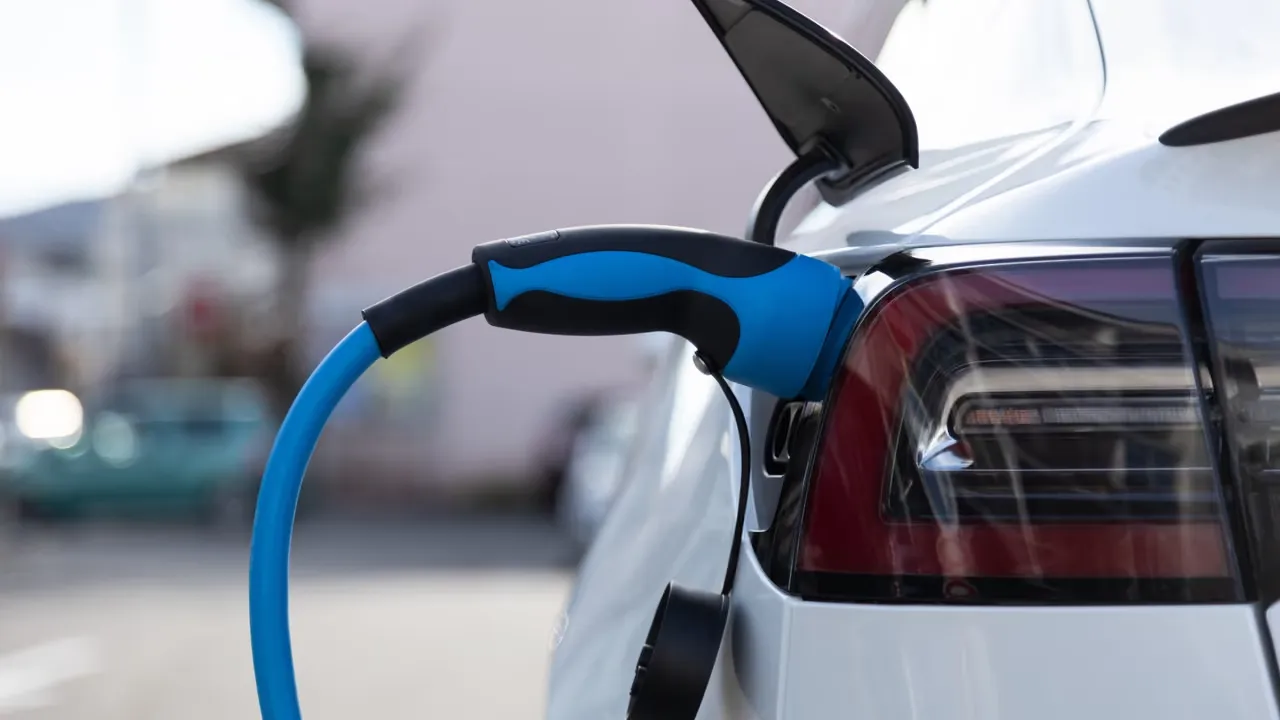
Ever wondered how to cut down your electric bills while charging your electric vehicle (EV) at home? Combining residential solar panels with a home EV charging station offers a powerful way to maximize energy efficiency and reduce costs. This approach isn’t just about green energy—it’s smart economics and practical living wrapped together.
Understanding the synergy between solar power and EV charging
At its core, solar power and EV charging are a natural pair. Solar panels convert sunlight into electricity, which can be used immediately, stored, or fed back into the grid. A home EV charger draws electricity to refill your vehicle’s battery. When paired, solar energy can directly power your EV, reducing reliance on grid electricity that often comes from fossil fuels.
During the day, especially midday when the sun is strongest, your solar panels generate the most electricity. If you charge your EV during these hours, your car runs on clean, renewable energy straight from your roof. This reduces the need to buy power from your utility company, which not only lowers your bills but also shrinks your carbon footprint.
Without solar, charging your EV means pulling energy from the grid, which varies in price and environmental impact depending on the time and location. With solar, you gain control and predictability over your energy source. This is especially effective if your local utility offers net metering—where excess solar power sent back to the grid earns you credits that offset the cost of electricity you use when the sun isn’t shining.
Setting up an optimal home solar and EV charging system
Getting the most out of solar-powered EV charging starts with the right setup. Here’s what to consider:
- Solar panel capacity Your system needs enough panels to cover both your household electricity use and your EV charging. Typical passenger EVs require about 30 kWh for a full charge, so sizing your array depends on your car’s battery and driving habits.
- Home EV charger type Level 2 chargers running on 240 volts are the sweet spot for home use. They charge faster than standard outlets and can be programmed to operate during peak solar production.
- Energy storage options Adding a home battery system, like the Tesla Powerwall or LG Chem, allows you to store excess solar energy for nighttime charging or grid outages. This increases your independence and ensures your EV can be charged anytime without relying on the grid.
- Smart charging technology Some chargers and inverters come with smart features that sync charging times with solar production or off-peak electricity rates. This automation maximizes self-consumption of solar energy and saves money.
- Electrical capacity and permits Upgrading your home’s electrical panel might be necessary to handle the combined load of solar and EV charging. Always consult a licensed electrician to ensure safety and compliance with local codes.
Installation tips
- Conduct an energy audit to understand your daily consumption and EV charging needs.
- Choose a reputable solar installer familiar with EV integration.
- Consider future expansion; if you plan to add more EVs or appliances, size your system accordingly.
- Explore smart home energy management systems that offer unified control of solar, battery, and charging.
Financial benefits and incentives for solar-powered EV charging
Beyond environmental perks, solar-powered EV charging can significantly reduce your energy costs over time. Here’s how:
- Lower electricity bills Generating your own electricity means buying less from the utility. When your EV charger pulls power from your solar array, that’s savings on every mile driven.
- Net metering credits In many regions, excess solar energy sent to the grid earns credits that offset your costs when your solar output is low, like at night or on cloudy days.
- Tax credits and rebates Governments often provide incentives to encourage renewable energy adoption. For example, the U.S. federal solar Investment Tax Credit (ITC) can cover a significant percentage of installation costs. Some states and utilities add their own rebates for solar and EV chargers.
- Increased home value Homes equipped with solar panels and EV-ready infrastructure tend to sell for more and attract buyers looking for energy-efficient features.
On the flip side, the upfront costs can be substantial, but falling prices for solar panels and chargers, combined with incentives, are making the investment more accessible. Payback periods typically range from 5 to 10 years depending on your location, electricity rates, and driving habits.
Challenges and considerations for integrating solar and EV charging at home
While the benefits are clear, integrating solar panels with EV charging isn’t without its challenges:
- Initial cost and complexity Solar panel installations and Level 2 chargers require upfront investment and professional installation. Budgeting and planning are critical.
- Space and orientation Roof space, shading, and panel orientation affect solar output. Not every home is ideal for a large solar array.
- Charging timing and flexibility If you need to charge your EV at night or during low solar production, you’ll still rely on grid energy unless you have a battery system.
- Grid limitations Some local grids have restrictions on how much solar energy can be fed back, or may not offer net metering. Knowing your utility’s policies is essential.
- Maintenance Solar panels require minimal but regular upkeep to maintain efficiency. Similarly, EV chargers need periodic checks to ensure safe operation.
Despite these hurdles, the combined system offers a compelling way to make your home more energy independent and cost-effective. For those who drive electric and want to embrace renewables, solar-powered EV charging is a logical next step.