Charge Your EV Using Solar Power
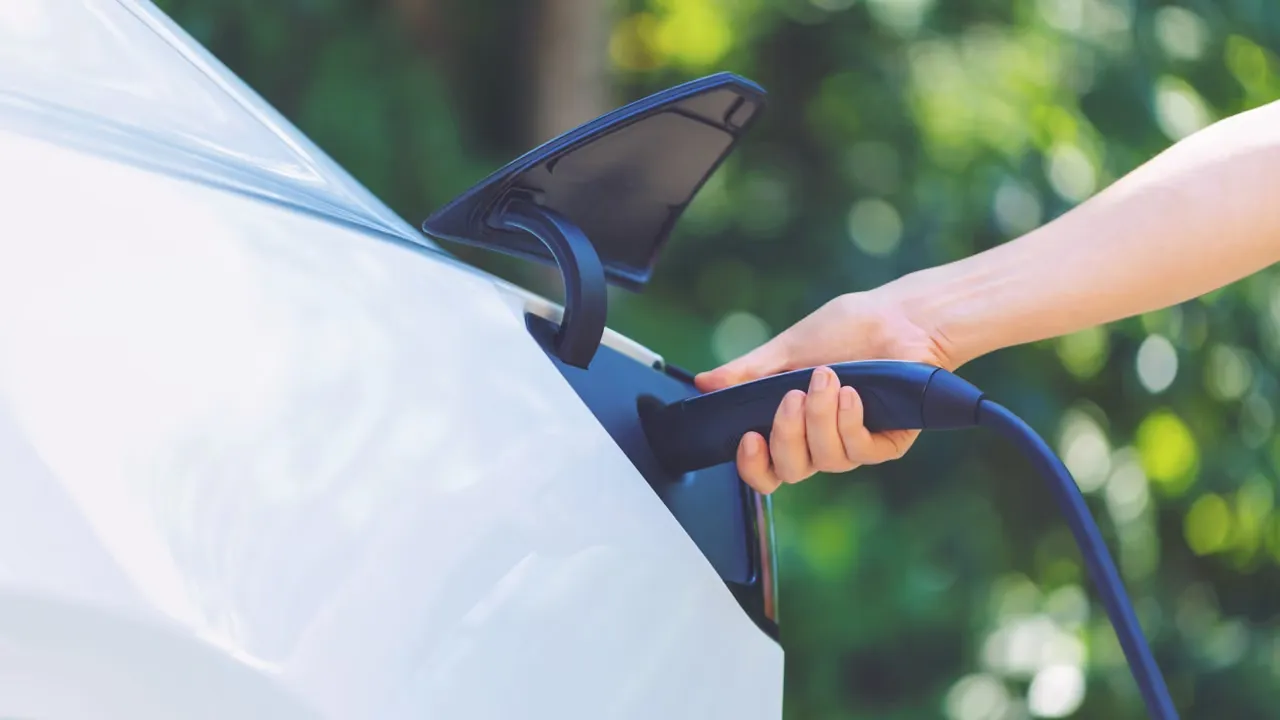
Imagine pulling into your driveway after a long day, your electric vehicle (EV) ready to recharge. Instead of fumbling with cords or worrying about high electricity rates, your smart home system has already optimized the charging schedule. It knows when electricity demand is low, when your solar panels are producing the most energy, and even when you’ll need your car next. This seamless integration between your EV and smart home isn’t just convenient—it’s transforming how efficiently we charge vehicles while cutting costs and reducing strain on the power grid.
How Smart Home Systems Can Optimize EV Charging Times
Smart home platforms like Google Home, Amazon Alexa, and Apple HomeKit are evolving beyond lighting and climate control. They now manage EV charging by syncing with your utility’s demand response signals and your daily routine. Using real-time data, these systems delay charging until off-peak hours when electricity is cheaper and less carbon-intensive.
For instance, if your utility offers time-of-use pricing, your smart home can automatically pause charging during peak periods and resume when rates drop. This avoids the traditional “charge overnight” approach, which isn’t always the most economical or environmentally friendly.
Moreover, integrated apps allow users to manually override schedules or set preferences like “charge only using renewable energy” or “ensure the car is fully charged by 7 AM.” This flexibility ensures your EV is ready when needed without wasting energy or money.
The Role of Renewable Energy Integration in Smart EV Charging
One of the most exciting aspects of smart home EV charging is its ability to coordinate with on-site renewable energy sources, especially solar panels. When your rooftop solar system is producing excess energy, your EV charger can automatically ramp up charging to soak up that clean electricity.
This dynamic charging approach helps reduce reliance on grid power and maximizes the use of self-generated renewable energy. During sunny days, your car effectively becomes a mobile energy storage unit, consuming solar power that might otherwise be sent back to the grid or wasted.
Some advanced systems even integrate home battery storage, further smoothing out supply and demand. When solar output dips or electricity prices spike, stored energy can be used to charge the EV, ensuring continuous, cost-effective charging without stressing the grid.
Benefits of Automated Charging in Reducing Costs and Grid Load
Automated EV charging driven by smart home integration doesn’t just save money on your electricity bill—it also benefits the larger energy ecosystem. Utilities face increasing challenges managing peak demand, especially as EV adoption grows. Well-coordinated charging can flatten demand curves by shifting loads to off-peak times.
For consumers, the financial upside is clear. By leveraging time-based tariffs and avoiding peak hours, smart charging can reduce charging costs by up to 50% compared to uncontrolled charging. Plus, some utilities offer incentives or rebates for participating in demand response programs that smart chargers can join automatically.
From a convenience standpoint, automation means you never have to remember to plug in or start charging at a specific time. The system handles it all in the background, ensuring your vehicle is charged efficiently and ready to go without constant monitoring.
Future Trends AI and IoT Enhancements in Home-Based EV Charging
The future of EV charging at home is deeply intertwined with advancements in artificial intelligence (AI) and the Internet of Things (IoT). AI algorithms will learn from user habits, weather forecasts, real-time grid conditions, and even traffic patterns to optimize charging schedules with unprecedented precision.
- Predictive Charging: AI will anticipate when you’ll need your car based on calendar data and travel patterns, intelligently balancing charging speed and energy costs.
- Vehicle-to-Home (V2H) Integration: Future smart systems will enable your EV to feed energy back into your home during peak demand, using the car’s battery as a backup power source.
- Enhanced Connectivity: IoT-enabled chargers will communicate with utilities and other smart devices, creating a fully integrated energy management ecosystem.
- Personalized Energy Management: Users will receive tailored recommendations and notifications to optimize energy use and savings even further.
As these technologies mature, the boundary between your home and vehicle energy systems will blur, creating a smarter, greener, and more efficient lifestyle that benefits individuals and communities alike.