Can Electric Cars Conquer Long-Distance Trips
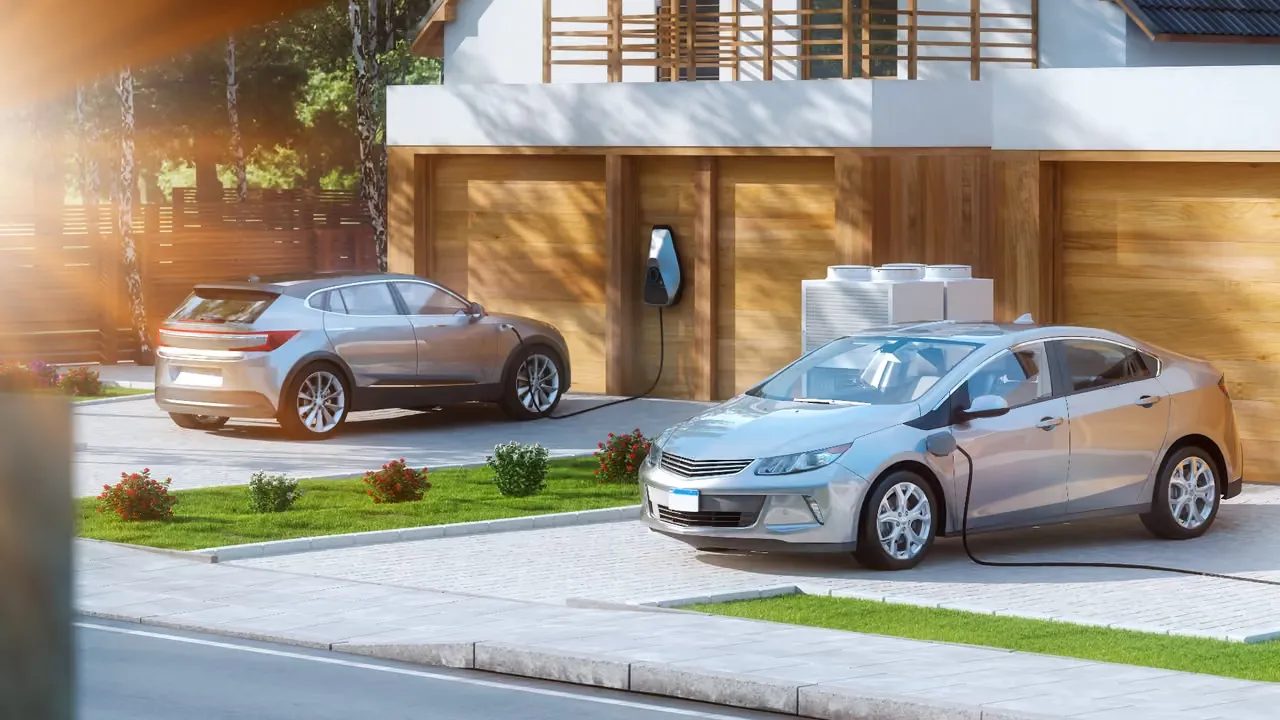
Can electric cars really handle the demands of long-distance travel, or are they still best suited for city driving? As electric vehicles (EVs) become more common, many drivers are testing their limits far beyond the daily commute. The evolution of electric cars has brought significant improvements, but planning a road trip in an EV still requires a fresh approach. Let’s explore how electric cars are transforming long-distance travel and the challenges drivers face along the way.
The evolution of electric cars for long-distance journeys
Not too long ago, electric cars were synonymous with limited range and inconvenient charging. Early models often struggled to cover more than 70 to 100 miles on a single charge, making them impractical for anything but short trips around town. Fast forward to today, and the landscape has changed dramatically.
Modern electric vehicles regularly offer ranges exceeding 200 to 300 miles, with some premium models pushing past 400 miles. This substantial leap in battery capacity has opened the door for EVs to be considered viable options for long-distance travel. Manufacturers have also improved vehicle efficiency, aerodynamics, and battery management systems, all contributing to extended driving ranges.
Beyond the cars themselves, the infrastructure supporting EV travel has grown. Charging stations are now more widespread, and many highways feature dedicated fast chargers to accommodate road-tripping EV owners. Though still catching up to the ubiquity of gas stations, these developments are reshaping perceptions and possibilities.
Battery range and the impact on travel planning
Range anxiety—the fear of running out of battery before reaching a charger—remains a significant concern for many considering EV road trips. Unlike traditional cars, where a quick stop at a gas station usually takes minutes, recharging an EV battery can take considerably longer, depending on the charger type and battery size.
Understanding your vehicle’s range is critical when planning a journey. Factors such as driving speed, terrain, weather conditions, and accessory use (like heating or air conditioning) can all affect how far your EV will go on a single charge. For example, driving at highway speeds or in cold weather can reduce range by 20% or more.
Because of these variables, planning a long-distance trip in an electric car often means mapping out charging stops carefully. Instead of simply filling up when the fuel gauge is low, EV drivers need to consider the location and availability of compatible chargers and the time required to recharge. This adds a layer of complexity but also encourages a slower, more deliberate travel pace.
Innovations in fast-charging technology enabling road trips
One of the biggest game-changers for EV road trips is the rise of fast-charging technology. Fast chargers can replenish an EV battery to 80% capacity in as little as 20 to 30 minutes, drastically reducing downtime compared to older charging methods.
Several charging standards exist, with CCS (Combined Charging System) and Tesla’s Supercharger network being among the most prominent. These networks are expanding rapidly, particularly along major highways, making longer journeys more feasible.
Emerging technologies promise even faster charging speeds. Ultra-fast chargers delivering 350 kW or more are being installed in select locations, potentially allowing some EVs to add 100 miles of range in under 10 minutes. While these chargers are not yet widespread, their growth hints at a future where charging times rival traditional refueling.
Wireless charging and battery swapping are other innovations under exploration, though they currently play a minor role in long-distance EV travel. For now, fast-charging networks remain the backbone of road trip infrastructure.
Tips for planning an electric vehicle road trip
- Know your vehicle’s range under real conditions. Test your EV’s performance in different weather and terrain before a long trip to understand how far you can reliably go.
- Use dedicated EV trip planners. Websites and apps like A Better Routeplanner (ABRP) or PlugShare help identify charging stations along your route and estimate charging times based on your vehicle model.
- Plan for charging stops strategically. Aim to charge at locations with amenities such as restaurants or shops to make the wait more enjoyable.
- Have backup charging options. Sometimes chargers are busy, out of service, or incompatible. Identify multiple charging points near your planned stops.
- Adjust your driving style. Slower speeds and gentle acceleration can extend your range and reduce the number of charging stops.
- Pack essentials for delays. Bring snacks, water, and entertainment to stay comfortable during unexpected charging waits.
- Stay flexible. Unlike gasoline vehicles, EV trips may require adapting to charger availability and charging times on the fly.
Electric cars are steadily rewriting the rules of road trips, turning what once seemed impractical into a growing reality. But the journey still demands more preparation and patience than traditional long-distance driving. As battery technology and charging infrastructure continue to evolve, the freedom to cross the country in an electric car will only get easier—and maybe even more enjoyable.