5 Ways EVs Improve City Living
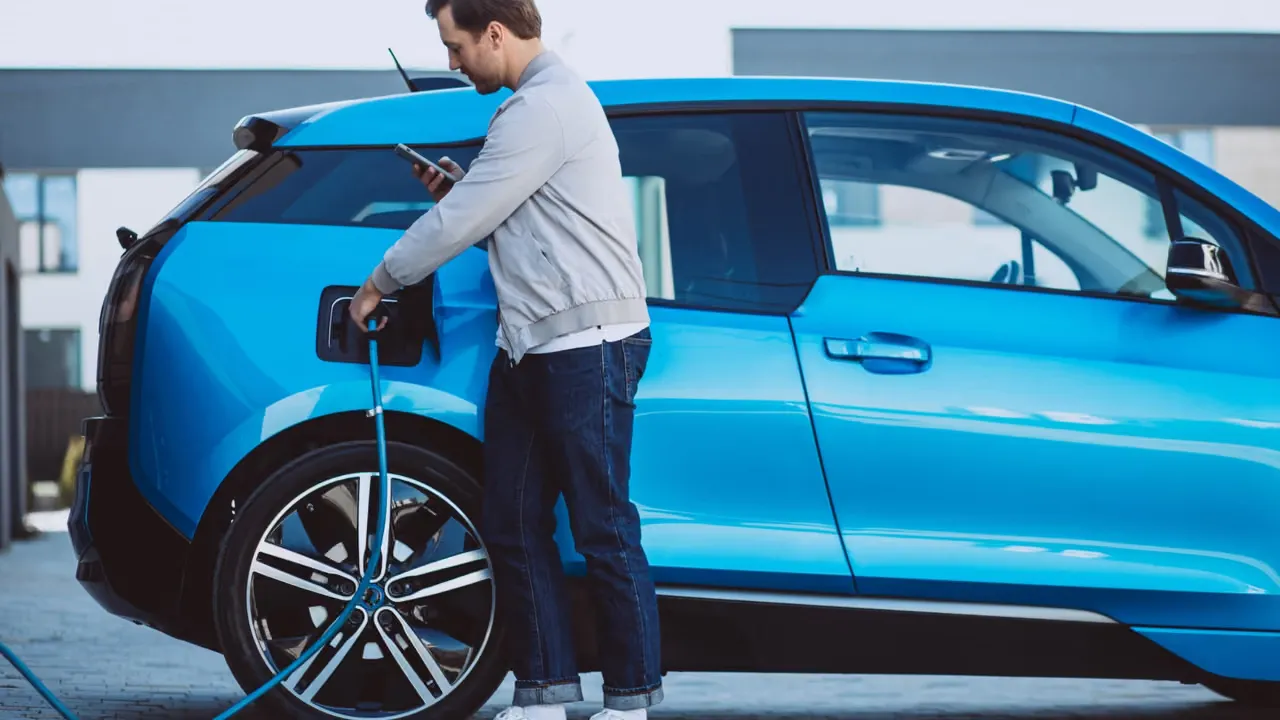
Walking through many city streets today, you might notice a subtle but significant shift in the rhythm of urban life. The usual roar of engines is being replaced by a quieter hum, a sign that electric cars are weaving themselves into the fabric of city living in ways that go far beyond cutting emissions. Electric vehicles (EVs) are quietly transforming how cities operate, interact, and evolve.
Electric Cars and Smart City Integration
The rise of electric vehicles is tightly intertwined with the growth of smart city technologies. Cities are no longer just places where people live and work; they are becoming complex ecosystems where data and technology streamline everyday life. Electric cars fit perfectly into this picture as mobile nodes in a connected urban network.
Through vehicle-to-grid (V2G) technology, electric cars can communicate with the city’s power grid, feeding energy back during peak demand or drawing power when renewable sources like solar and wind are abundant. This dynamic interaction helps balance energy loads and makes the grid more resilient.
Moreover, EVs equipped with advanced sensors and GPS systems contribute to real-time traffic management. They provide data that can be used to optimize traffic lights, reduce congestion, and improve route planning. Cities like Amsterdam and Singapore are already leveraging such data to create smoother, more efficient traffic flows, reducing the frustration and delays that plague urban drivers.
Smart Parking and Fleet Management
Electric cars are also reshaping parking strategies. Smart parking apps, integrated with EV infrastructure, guide drivers to available charging spots, minimizing the time spent searching for parking and reducing unnecessary traffic. For commercial fleets, EVs paired with fleet management software enable better scheduling, maintenance, and energy use, making urban logistics cleaner and more efficient.
Silencing the City Streets
One of the most immediate differences most people notice about electric cars is how quiet they are. Unlike combustion engines, electric motors produce minimal noise, especially at low speeds common in urban settings.
This reduction in noise pollution is more than a comfort issue. Chronic urban noise has been linked to stress, sleep disturbances, and cardiovascular problems. The widespread adoption of EVs can help cities become healthier places to live by lowering this invisible but pervasive form of pollution.
However, the near-silent nature of electric cars also introduces new challenges. Pedestrian safety, particularly for visually impaired individuals, becomes a concern when cars approach without the usual engine sounds. Regulators in many countries now require EVs to emit artificial noise at low speeds to alert nearby pedestrians, balancing safety with the benefits of quieter streets.
Electric Vehicles Shaping Public Transportation
Electric technology is not limited to private cars; it is rapidly transforming public transportation systems, which are the backbone of urban mobility. Electric buses, trams, and even shared micro-mobility devices like e-scooters and e-bikes are reducing dependence on fossil fuels and improving air quality on busy city routes.
Electric buses, in particular, offer cities a way to cut emissions on a large scale while also lowering noise levels. Their smoother acceleration and braking contribute to a more comfortable ride for passengers. Cities like Shenzhen have electrified their entire bus fleet, proving that transitioning public transit to electric power is possible and beneficial.
Furthermore, the integration of electric vehicles into public transit networks encourages multimodal transportation solutions. For example, park-and-ride facilities equipped with EV chargers allow commuters to combine driving electric cars with public transit, reducing inner-city congestion and pollution.
Shared Mobility and Electrification
Shared electric vehicles are also changing how people think about car ownership in cities. Car-sharing programs and electric ride-hailing services reduce the number of vehicles on the road, freeing up space and decreasing emissions. They also make electric vehicle technology accessible to those who might not otherwise afford to own an EV.
Charging Networks in Urban Environments
Despite the many advantages, the widespread adoption of electric cars in cities faces significant hurdles, primarily around charging infrastructure. Urban areas must overcome space constraints and complex electrical demands to create efficient, accessible charging networks.
Installing public chargers in dense neighborhoods often means negotiating with property owners, navigating zoning laws, and managing the increased load on local power grids. Innovative solutions are emerging, such as curbside chargers embedded in sidewalks or lampposts, and wireless charging pads that enable EVs to recharge while parked or even in motion.
Another challenge is ensuring equity in charging access. High-income neighborhoods tend to have better charging availability, while lower-income areas lag behind. Cities must address this disparity to avoid creating mobility deserts and ensure that the benefits of electric mobility reach all residents.
On the opportunity side, urban charging networks can be integrated with renewable energy sources and energy storage systems. This reduces the strain on the grid and lowers the carbon footprint of charging. Smart charging technologies also allow vehicles to charge during off-peak hours, making energy use more efficient and cost-effective.
Finally, there is a growing trend toward shared charging facilities for commercial fleets and ride-hailing vehicles, which can optimize usage and reduce infrastructure costs. These shared hubs can become nodes of urban innovation, combining charging, maintenance, and vehicle management in centralized locations.